Open-Pit Mining
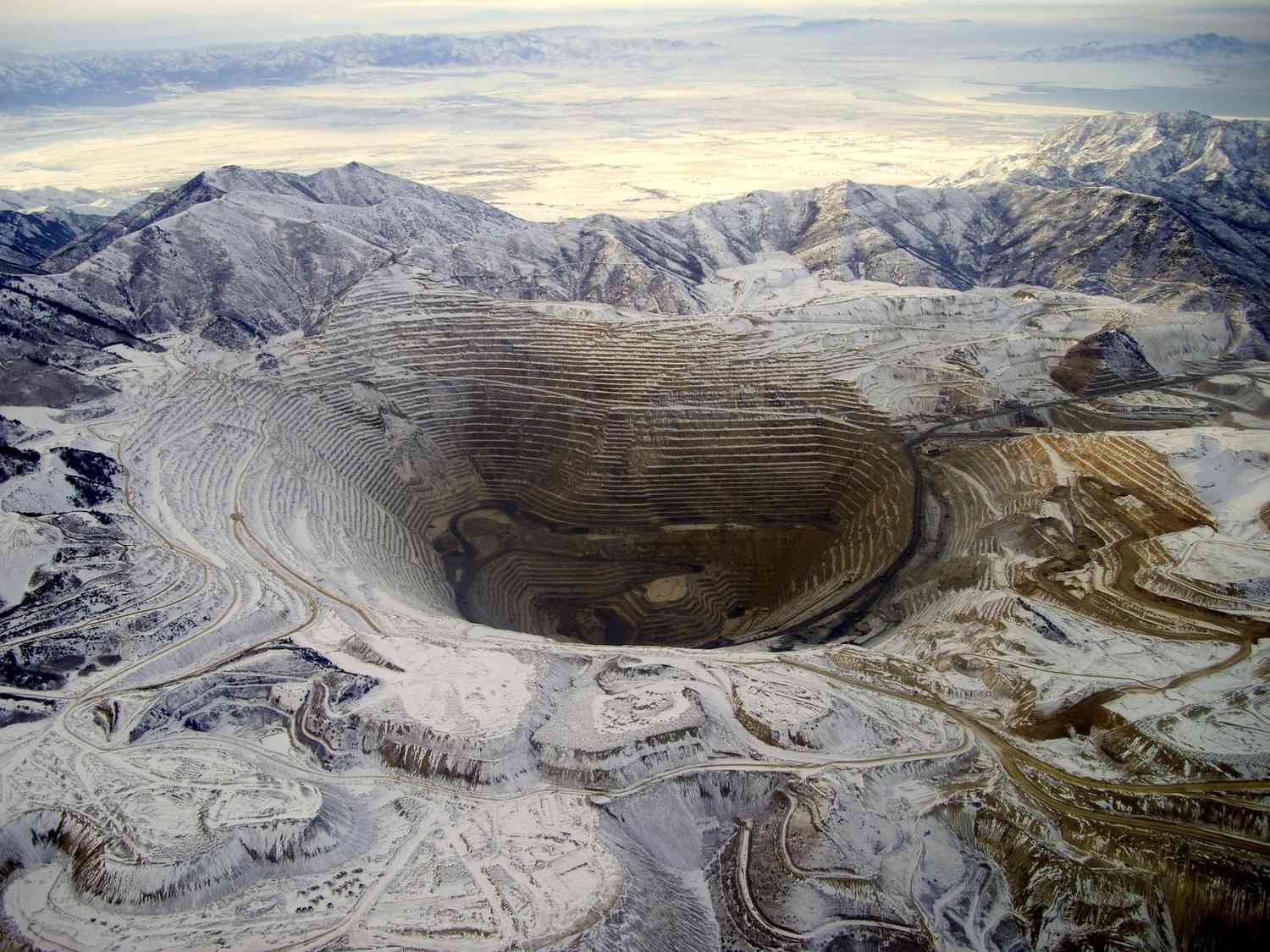
Open-pit mining is the primary method used at Namibia's largest uranium mines, Rössing and Husab. This method is employed when uranium ore is located near the surface.
Site Preparation
Clear vegetation and remove overburden (soil and rock covering the ore).
Drilling & Blasting
Drill holes are made in the rock, filled with explosives, and detonated to break up the ore.
Loading & Hauling
Broken ore is loaded onto trucks and transported to the processing plant.
Processing
Ore is crushed, ground, and treated with sulfuric acid to extract uranium.
Used at:
- Rössing Mine - Operating since 1976, one of the world's largest open-pit uranium mines
- Husab Mine - Namibia's newest and one of the largest uranium mines globally
Advantages:
- High production rates
- Lower cost per ton of ore mined
- Safer than underground mining
- Better recovery rates
Challenges:
- Large environmental footprint
- Significant water usage
- Generation of waste rock
- Visual impact on landscape
Heap Leaching
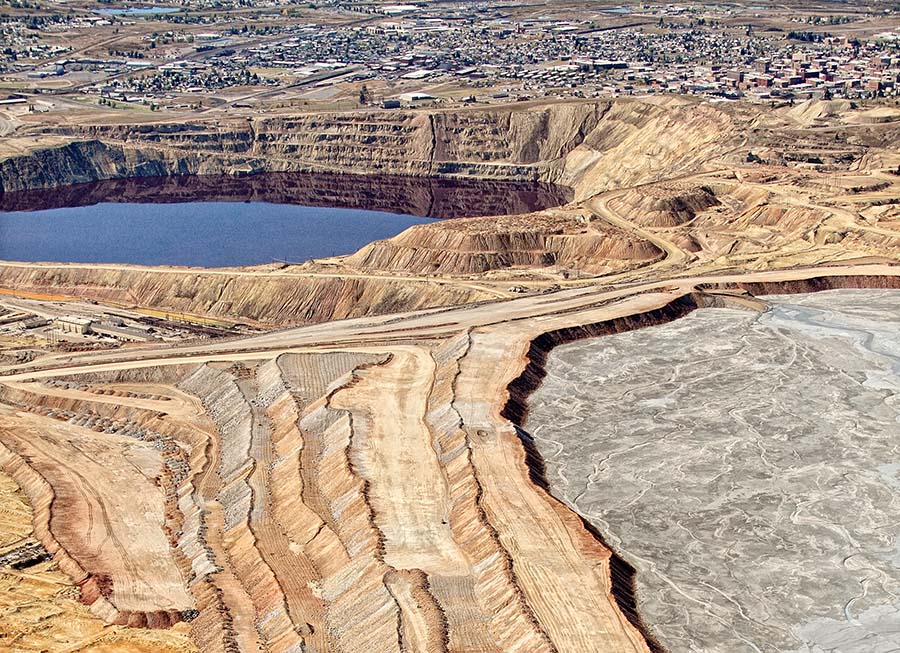
Heap leaching is used for lower-grade uranium ores, particularly at calcrete-hosted deposits like Langer Heinrich. The method involves stacking crushed ore into piles and applying a leaching solution.
Ore Preparation
Ore is crushed to a specific size to optimize leaching efficiency.
Heap Construction
Crushed ore is stacked on an impermeable liner to prevent solution leakage.
Leach Solution Application
Alkaline (sodium carbonate/bicarbonate) or acid (sulfuric acid) solution is sprayed over the heap.
Solution Collection & Processing
Pregnant solution containing uranium is collected and processed to recover uranium.
Used at:
- Langer Heinrich Mine - Uses alkaline heap leaching for calcrete-hosted uranium
- Trekkopje Project - Planned to use heap leaching if developed
Advantages:
- Lower capital and operating costs
- Suitable for low-grade ores
- Smaller environmental footprint than conventional milling
- Flexible operation
Challenges:
- Lower recovery rates than conventional milling
- Potential for groundwater contamination
- Longer extraction times
- Weather-dependent in some cases
In-Situ Leaching (ISL)
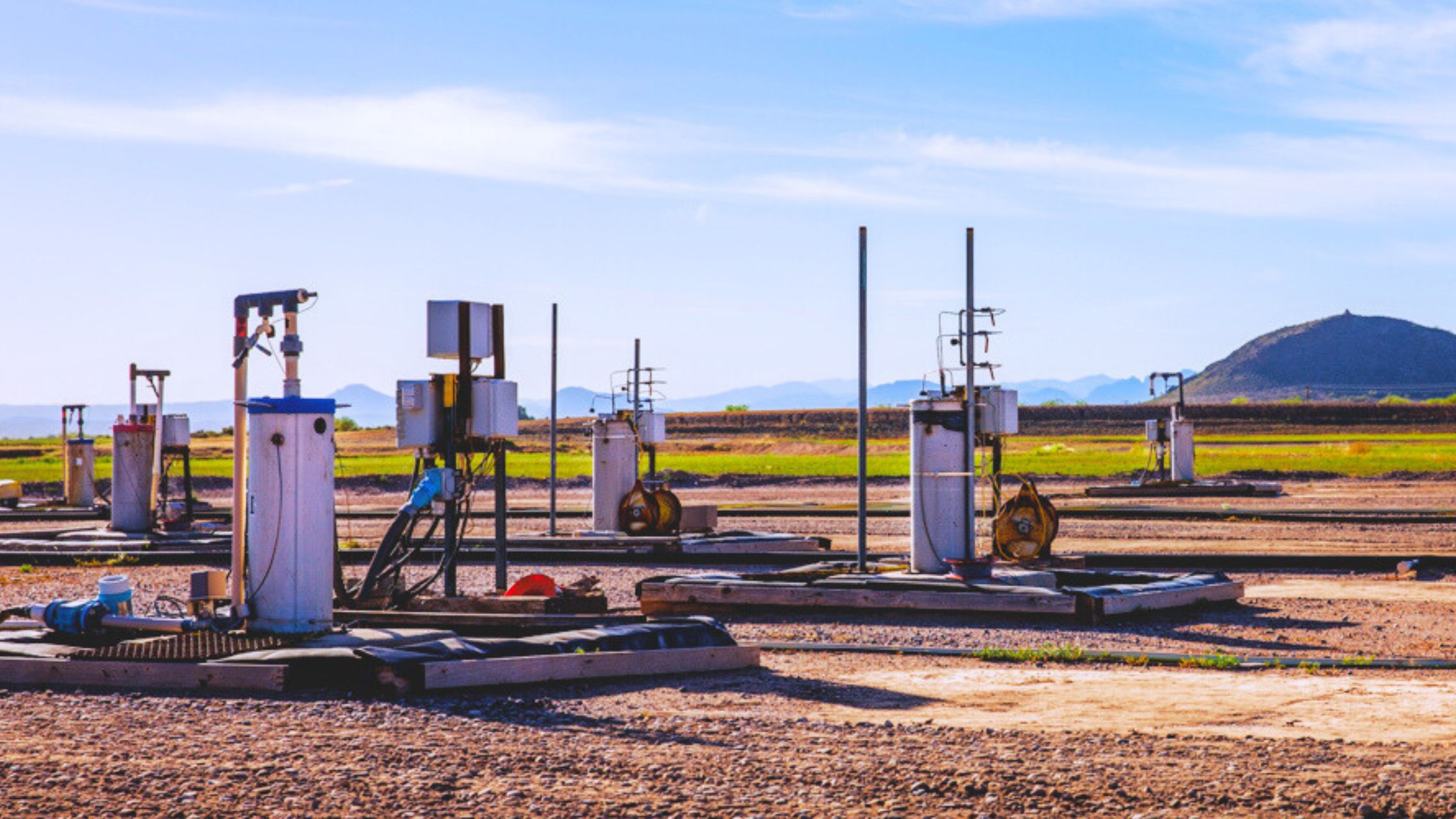
In-situ leaching (ISL) is a proposed method for certain sandstone-hosted uranium deposits in Namibia, particularly in the Stampriet Aquifer region. This method recovers uranium without conventional mining.
Well Field Installation
Injection and recovery wells are drilled into the ore-bearing aquifer.
Leach Solution Injection
Oxygenated groundwater (possibly with added reagents) is injected to dissolve uranium.
Solution Recovery
Pregnant solution is pumped to the surface through recovery wells.
Processing
Uranium is extracted from the solution using ion exchange or solvent extraction.
Potential Use at:
- Stampriet Aquifer - Proposed ISL projects in the transboundary aquifer system
Advantages:
- Minimal surface disturbance
- Lower capital and operating costs
- Reduced water consumption compared to conventional mining
- Lower worker exposure to radiation
Challenges:
- Potential groundwater contamination risks
- Limited to specific geological settings
- Public perception challenges
- Requires careful monitoring and regulation
Method Comparison
| Feature | Open-Pit | Heap Leach | In-Situ Leach |
|---|---|---|---|
| Ore Grade Required | Medium to High (>0.03%) | Low to Medium (0.01-0.06%) | Low to Medium (0.01-0.1%) |
| Water Consumption | High (3M m³/yr at Rössing) | Medium (recycling possible) | Low (closed loop system) |
| Environmental Impact | High (land disturbance, waste rock) | Medium (smaller footprint) | Low (minimal surface impact) |
| Capital Costs | Very High | Medium | Low to Medium |
| Operating Costs | High | Medium | Low |
| Recovery Rates | 85-95% | 60-80% | 70-90% |
| Time to Production | 3-5 years | 1-3 years | 6-18 months |
| Examples in Namibia | Rössing, Husab | Langer Heinrich | Proposed (Stampriet) |